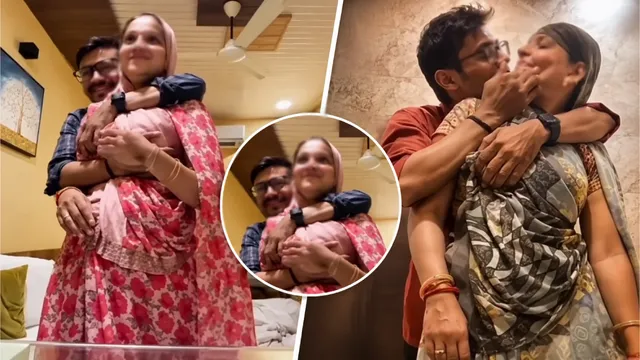
The “Umar 15 Kaam 25 Wale Viral Video” has recently attracted significant attention online, with many social media users searching for information about the trending clip. As viral content spreads rapidly across different platforms, people are curious about its origin, context, and why it has become such a widely discussed topic.
The Umar 15 Kaam 25 Wale Viral Video is a phrase currently being used by users to search for a trending video circulating on social media and online platforms. The unusual combination of words has contributed to curiosity and increased searches surrounding the topic.
Like many viral videos, the phrase may appear in social media posts, short-video platforms, search results, and discussion forums. However, information surrounding viral content can sometimes be incomplete or misleading.
There are several reasons why videos suddenly become popular online. In the case of the Umar 15 Kaam 25 Wale Viral Video, online curiosity appears to be a major factor.
People often share or search for trending videos because:
The content is unusual or unexpected.
Social media users are discussing it extensively. Short clips are reposted across multiple platforms.
Search trends increase when people want to understand the original context.
Misleading titles or captions can generate additional curiosity.
Once a video starts receiving attention, reposts and reactions can make it spread much faster.
Social Media and Viral Trends
Social media platforms play a major role in determining what becomes popular. A video can gain thousands or millions of views within a short period when users repeatedly share, comment on, or react to it.
However, viewers should remember that a viral video is not automatically authentic or accurately described. Clips can be edited, taken out of context, or accompanied by misleading captions.
At the time of writing, viewers should be cautious about claims made about the Umar 15 Kaam 25 Wale Viral Video. Unless the original source or reliable information confirms the video's context, it is better not to assume that every claim circulating online is accurate.
Viral content can involve real people, and sharing unverified information can potentially cause harm. Before reposting the Umar 15 Kaam 25 Wale Viral Video, users should consider whether the content has been verified and whether sharing it respects the privacy of the people involved.The Umar 15 Kaam 25 Wale Viral Video has become a popular search term because of growing curiosity around trending online content. While viral videos can be entertaining or informative, users should always verify the source and context before believing or sharing claims associated with them.
Social media platforms regularly see videos become viral within a short period of time. Recently, searches related to an alleged 18-minute Instagram viral video have attracted attention online, with users looking for information about the people and content supposedly connected to the claim.
However, viral posts and search queries do not necessarily mean that the underlying information is authentic. In many cases, links shared on social media can lead to misleading pages, scams, malware, or content that has been taken out of context.
The phrase “18-minute viral video” is being used in online searches to describe an alleged video circulating through social-media posts and messaging platforms. At present, users should be cautious about treating such claims as confirmed facts, particularly when the original source is unclear.
A video's appearance in search results or social-media discussions does not establish that it is genuine.
If a video allegedly involves identifiable individuals, sharing it without their permission can create serious privacy concerns. Users should avoid downloading, reposting, or forwarding alleged private material.
The Instagram 18-minute viral video search trend demonstrates how quickly unverified claims can spread online. Instead of clicking questionable links or sharing alleged private content, users should verify information through reliable sources and respect people's privacy.
Social media algorithms are unpredictable. Overnight, localized terms can become highly searched phrases across Instagram, TikTok, and YouTube. Recently, keywords like "Marwadi Couple video," "Rajasthani viral couple video," and "Rajasthani Aunty viral video" have witnessed a massive surge in search volume.
If you have encountered these search tags or are looking for the exact links to these alleged trending clips, this article provides the factual context you need to know to stay safe online.
In the vast majority of cases, searches for "Rajasthani Couple" or "Marwadi Aunty" stem from completely innocent, highly popular viral reels celebrating regional culture.
1. Traditional Marwadi Couple Tractions: Many creators from Rajasthan actively post [Instagram Reels](https://www.instagram.com/ "Instagram") showcasing traditional outfits, such as the Rajputana Poshak or Marwadi bridal wear, set to trending local folk songs. These videos frequently go viral as "Marwadi Jodi" content, drawing millions of views from audiences celebrating traditional Indian aesthetics.
2. "Cool Rajasthani Aunty" & Comedy Trends: Content creators regularly popularize comedic and satirical reels depicting the life of a typical "Desi Aunty" or "Rajasthani Chachi". Whether it is regional family dynamics, village-vs-city life parodies, or lively dance performances at local weddings, these lighthearted videos capture massive regional engagement.
Unfortunately, whenever a regional phrase like *"Rajasthani Aunty"* or *"Marwadi Couple"* begins trending, bad actors and cybercriminals exploit the keywords to orchestrate clickbait scams.
Many sketchy third-party platforms, Telegram channels, and automated document-sharing sites upload clickbait titles promising the "full leaked video link" of a Marwadi couple or a local aunty.
* The "Link in Bio" Trap: Most pages on platforms like [TikTok](https://www.tiktok.com "TikTok Search") or Facebook using these titles do not actually have a video. They use alluring descriptions to redirect curious users to external, unsafe domains.
* No Verified Explicit Media: Fact-checkers and internet safety monitors confirm that the vast majority of these "leaked" claims are completely fake. They are algorithmically generated text prompts designed to hijack trending Google searches.
Enjoy the beautiful cultural dances, rich traditional attire, and clean comedic content that the Marwadi and Rajasthani digital community brings to social media. However, if you see spam comments or external URLs promising sensationalized "leaks" under the guise of a "Marwadi Couple viral video," protect your digital hygiene: avoid clicking the links, do not share them in private groups, and report the fraudulent profiles immediately.

Analyze the media literacy and lack of verified facts behind the Subhashree The digital ecosystem is built on speed, often prioritizing engagement over accuracy. Recently, the name Subhashree Sahu has repeatedly generated high search volumes across South Asian social media networks, appearing alongside terms like "Subhashree Sahu viral video" and "Odisha creator trending clip."
However, a critical analysis of this digital phenomenon reveals a major underlying issue: the complete lack of verified, officially documented information, replaced instead by a self-sustaining cycle of internet rumors. Written in strict compliance with Google Publisher Policies regarding data safety and anti-misinformation guidelines, this report breaks down how unverified narratives dominate public perception and why users must approach viral claims with extreme skepticism.
---
When an online controversy begins to trend, the internet immediately fills the information void with speculation. In the case of Subhashree Sahu, a regional digital creator from Odisha, India, the public discourse has been flooded with entirely contradictory timelines and unproven claims:
* The Conflicting Leak Stories: Different corners of the internet treat entirely different rumors as factual truths. Certain online discussion forums allege that the situation arose from a personal relationship dispute, while others claim it was a targeted extortion attempt carried out by an anonymous third-party hacker who gained account access through community reporting loops.
* The AI Deepfake Discrepancy: While initial reports from localized internet portals in mid-2023 mentioned legal complaints filed under the IT Act and POCSO Act, subsequent digital analyses in late 2024 and 2026 revealed a secondary wave of synthetic media. Independent tech blogs have explicitly demonstrated that a significant amount of the controversial footage circulating under her name consists of manipulated AI deepfakes and misattributed content designed to look real.
* The Verified Fact: No major international news agency, state law enforcement board, or court of law has published an official, definitive forensic verification detailing the precise nature of the origin of the initial leak. The complete truth remains obscured by layers of digital noise.
---
The persistence of the "Subhashree Sahu" search trend highlights a systemic issue within the modern creator economy. Once a name becomes associated with a high-engagement keyword, a specific digital cycle takes place:
1. Information Copy-Pasting: Unverified clickbait blogs and low-tier news aggregation portals copy text from one another without performing basic journalistic fact-checking. A rumor stated as a "possibility" on one blog is published as an "absolute fact" on another within hours.
2. Comment Section Hype: Automated bots and anonymous users capitalize on the public's curiosity by actively fabricating fictional backstories in the comment sections of popular YouTube videos and Instagram Reels to farm views and traffic.
3. The Clout Economy: For many small-scale commentary channels, keeping a controversial topic alive by generating repetitive, dramatic reaction videos is a lucrative way to maintain monetization and profile visibility.
---
Regardless of the factual grey areas surrounding the controversy, the real-world threat to internet users is entirely concrete. Cybercriminals aggressively hijack high-volume search phrases like *"Subhashree Sahu full video link"* to deploy harmful digital infrastructure:
* Credential Theft Gateways: The overwhelming majority of external hyperlinks posted in social media descriptions route users to spoofed web pages. These cloned portals require a "social media login" to confirm age requirements, resulting in instant password theft.
* Data-Harvesting Malware: Shady third-party domains leverage browser exploits to silently push unwanted tracking cookies, adware, or background spyware onto mobile devices, bypassing standard firewalls.
* Legal Enforcement Boundaries: Globally, IT and privacy regulations strictly penalize the dissemination, search patterns, and downloading of non-consensual media, regardless of whether the material is real or synthetic AI generations.
---
The ongoing phenomenon surrounding the Subhashree Sahu viral video is a definitive case study in how the modern internet can turn unverified claims into a public identity. When user curiosity outpaces basic media verification, fake news thrives. To maintain an authoritative, safe, and secure online footprint, users must reject clickbait headlines, stay within verified applications, and treat all unverified social media "leaks"

The digital landscape has recently observed a significant spike in searches for phrases like "Umar 14 Kaam 25 viral video," "Umar 40 minute video," and claims involving a "cousin brother." These search terms have heavily circulated across platforms such as TikTok, X (formerly Twitter), Telegram, and various private messaging applications.
To understand how this trend went viral, it is essential to analyze the sensationalized phrases weaponized by online platforms to attract clicks.
Umar 14 Kaam 25": This phrase is highly popular as a viral audio trend or internet meme format on platforms like TikTok. It is frequently adapted by content creators as a punchline or backing track for short-form transition videos and skits.
The "40 Minute" and "Cousin Brother" Narrative: Clickbait networks combined the popular "Umar" audio trend with highly controversial, fabricated family storylines (such as involving a cousin brother) and an exaggerated time duration (40 minutes). This psychological framing is designed exclusively to trigger user curiosity and shock value, driving massive search engine traffic.
A rigorous investigation by digital fact-checkers and cyber security analysts reveals that no verified, explicit 40-minute video matching these claims exists.
Recycled Content: Deceptive channels take standard public lifestyle vlogs, family photos, or ordinary TikTok live streams, edit them together with dramatic music, and add text overlays claiming a "scandal."
The primary threat tied to the "Umar 14 Kaam 25" viral search trend lies in the malicious hyperlinks distributed in online forums and social feeds promising the "full video link."
The Umar 14 Kaam 25 viral phenomenon is a textbook example of how viral audio trends, exaggerated time stamps, and shocking narratives are combined by bad actors to engineer digital clickbait. There is no legitimate hidden footage. To maintain optimal digital safety, avoid clicking on unverified third-party links, protect your personal accounts by never entering passwords on unverified sites, and actively report spam accounts to the platform operators.
The internet frequently spawns viral phrases that take over platforms like TikTok, Instagram Reels, and Telegram overnight. Recently, the search query "Umar 15 Kaam 25 Wale 40 Minutes viral video" has skyrocketed across South Asian social media spaces.
If you have stumbled upon this phrase or are looking for the truth behind the alleged 40-minute and 42-second clip, this article provides a complete breakdown of the trend, its origins, and why you should be cautious.
The phrase "Umar 15 Kaam 25 Wale" translates to *"Age 15, actions/work like a 25-year-old."*
Originally, this concept was inspired by hip-hop culture—specifically popularised by the Indian rapper Divine’s hit track "Kaam 25". In its organic form, the phrase is a meme used to describe:
* Teenagers or young individuals acting far beyond their age.
* Young creators showcasing extreme maturity, work ethic, or specialized skills.
* Humorous or motivational motivational reels depicting young people taking on adult-like workloads or responsibilities.
As the phrase gained traction on platforms like [TikTok](https://www.tiktok.com "TikTok Search"), it was rapidly hijacked by sensationalized clickbait. Rumours began circulating that a 40-minute and 42-second explicit MMS video featuring a 15-year-old boy and an older cousin was leaked online.
* No Verified Evidence: Fact-checkers and digital analysts have confirmed that no such authentic video exists. No credible media outlets or law enforcement agencies have verified the existence of this alleged leak.
* Malicious Clickbait: The search term has been heavily targeted by spam websites, sketchy forum posts, and automated document uploads on platforms like Scribd. These files contain nothing but repeated keyword-stuffed sentences designed solely to manipulate search engine algorithms.
While it may seem like harmless curiosity, searching for or trying to download the "Umar 15 Kaam 25 Wale" viral link carries severe real-world risks:
Because the rumor explicitly mentions a minor (15 years old), searching for, hosting, or sharing explicit content of this nature violates strict child protection laws globally (such as the IT Act and POCSO in India) and carries severe criminal penalties. |
The "Umar 15 Kaam 25 Wale" trend started as a quirky social media phrase but morphed into a dark clickbait web. If you see people posting "link in bio" or prompting you to search for the full 40-minute video on external sites, do not click them. They are fraudulent links designed to gain traffic, generate ad revenue, or harvest user data.
Stay safe, practice internet literacy, and report spam accounts spreading these misleading links.

The search term "Radhika Apte viral video" has resurfaced heavily across digital platforms like Google, TikTok, and X (formerly Twitter). The renowned Bollywood and international actress recently opened up in a candid interview, triggering an important global conversation about celebrity privacy, the ethics of filming intimate content, and the psychological impact of digital harassment.
The controversy stems from an incident that took place early in Radhika Apte's career, specifically surrounding a leaked scene from her film projects (such as Parched and short films) where she performed raw, artistically essential intimate scenes.
Instead of being viewed within the artistic context of the film, portions of the scene were illegally cut, separated, and uploaded online as a standalone explicit video. Malicious websites and clickbait platforms weaponized the footage, causing the term "Radhika Apte leaked video" to explode into a massive search engine trend.
"While promoting her prominent role in the recent Netflix anthology Lust Stories 3, Radhika Apte addressed the incident directly. She shared the immense emotional toll and severe anxiety the leak caused her:
Invasion of Personal Space: Apte revealed that the trauma didn't stay on the internet; it walked straight into her daily life. She was horrified to discover that people she interacted with regularly—including her building's watchman and her stylist's driver—had seen the viral clip.
Fear and Isolation: Because she was living alone at the time, she felt profoundly vulnerable and unsafe. She stated, "Once something I had done was leaked, I literally couldn't step out of the house for four days".
Taking advantage of the ongoing media coverage and the public's curiosity, cybercriminals have flooded comment sections on social media, Telegram groups, and forums with malicious links claiming to host the "Radhika Apte full uncensored viral video."
The Radhika Apte viral video trend is a textbook example of how creative cinematic work can be twisted into digital harassment when leaked maliciously online. Radhika Apte’s brave remarks serve as a reminder that behind every viral search result is a real human being whose dignity and mental well-being must be respected. As digital consumers, the best course of action is to reject clickbait, practice safe browsing habits, and report any malicious links encountered on public feeds.
What is the truth behind the Radhika Apte viral video? The viral clip was not a private or illicit leak; it was an authentic scene shot for an official movie project that was cut out of context and distributed illegally online without her consent

Discover the real story behind the Bihar girl viral video controversy trending on social media. Learn how scammers weaponize this trend and how to stay safe from phishing traps.
Social media platforms have recently witnessed a massive surge in searches regarding the "Bihar girl viral video." From TikTok and X (formerly Twitter) to various messaging apps like Telegram and WhatsApp, thousands of users are looking for context behind this sudden trending topic.
Unlike specific celebrity news, the phrase "Bihar girl viral video" is a broad search term that regularly spikes on Indian social media. It usually stems from two main types of digital content:
Innocent Cultural or Talent Videos: Very often, young female creators from Bihar go viral for their exceptional talent—such as singing traditional folk songs, performing classical dances, or creating engaging academic and lifestyle vlogs. Due to high engagement, these wholesome videos trend across Instagram Reels and YouTube Shorts.
When an innocent video of a creator gains traction, clickbait networks and cybercriminals quickly jump on the bandwagon. They create public forum threads, spam comment sections, and set up temporary websites using alarming tags such as "Bihar girl leaked MMS" or "Bihar trending video uncensored link."
These malicious networks use eye-catching, manipulated thumbnails or entirely fabricated storylines to trigger user curiosity. In reality, there is rarely any verified private footage tied to these viral claims. Instead, it is a calculated psychological trap designed to lure unsuspecting netizens to external web pages.
Cyber Security Advisory: Why Clicking "Full Video Links" is Highly Dangerous.
Cybersecurity researchers strongly warn internet users against clicking on any third-party links or download buttons claiming to host the "original" or "full version" of the video. These links are almost always dangerous phishing traps and honeypot scams that pose severe digital security threats
Malware and Spyware Attacks: Shady portals often execute silent, automatic drive-by downloads. This places Trojan viruses, adware, or spyware onto your smartphone or computer, which can secretly access your private photo gallery and read saved passwords.
The "Bihar girl viral video" phenomenon serves as a vital reminder to practice digital hygiene and media literacy. Not everything that trends online is authentic, and searching for sensationalized leaks heavily exposes your personal devices to hackers. To protect your digital identity, avoid clicking on unverified links, ignore spam comments, and actively use platform reporting features to flag malicious content.
"Bihar girl" trend? No. The vast majority of these viral search terms are entirely fabricated by online scammers using clickbait tactics to redirect web traffic to malicious websites.
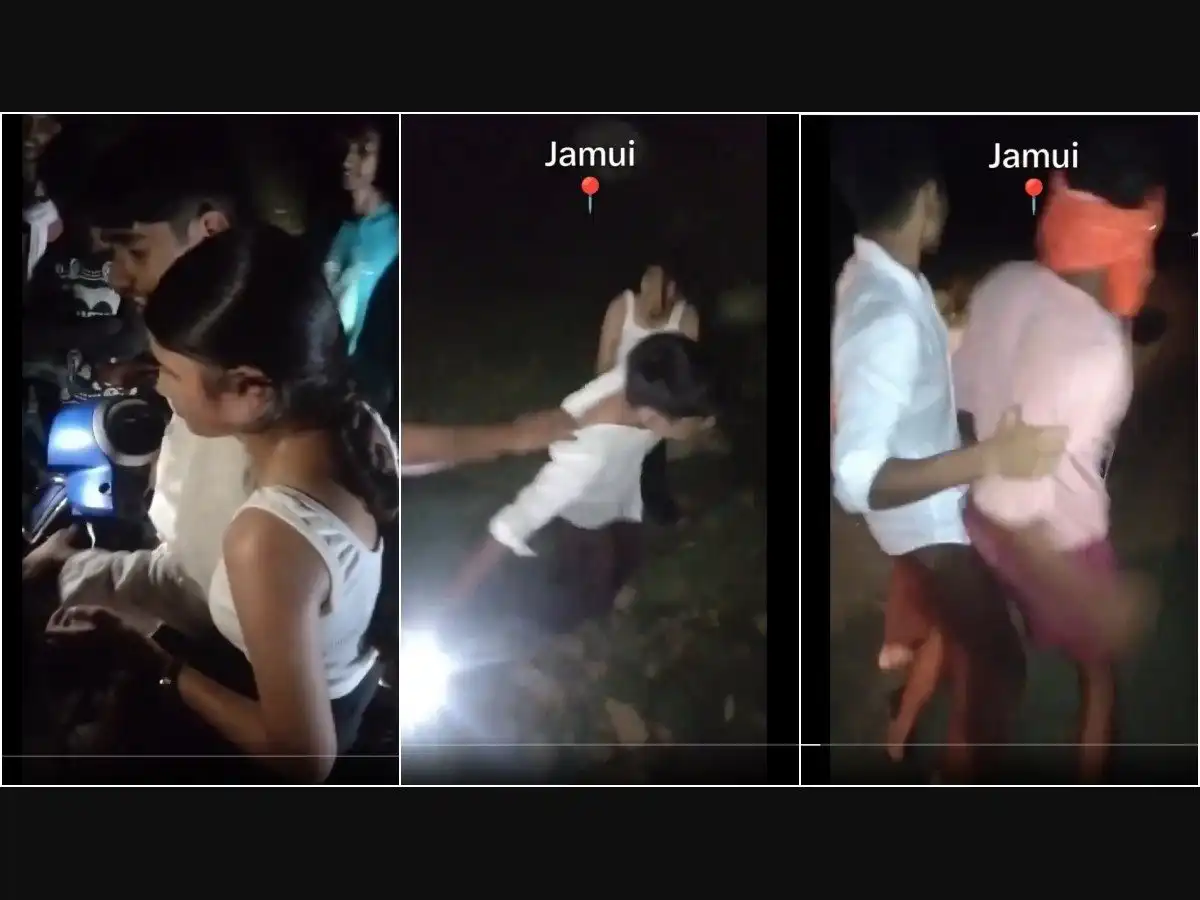
বিহারের যমুই (Jamui) জেলায় দশম শ্রেণীর শিক্ষার্থীদের হেনস্তার আসল ঘটনা কী? জানুন পকসো (POCSO) আইনে দায়ের করা মামলা এবং বিহার পুলিশের লেটেস্ট অ্যাকশন।
ভারতের বিহার রাজ্যের যমুই (Jamui) জেলায় দুই অপ্রাপ্তবয়স্ক শিক্ষার্থীর ওপর অনাকাঙ্ক্ষিত হেনস্তার একটি ঘটনাকে কেন্দ্র করে বর্তমানে ইন্টারনেট এবং বিভিন্ন সোশ্যাল মিডিয়া প্ল্যাটফর্মে তীব্র ক্ষোভ ও আলোচনা তৈরি হয়েছে । ইন্টারনেট সার্চ ইঞ্জিনে অনেকেই এই ঘটনাটি "bihar viral video" বা "Jamui incident" নামে সার্চ করছেন
সোশ্যাল মিডিয়ায় ঘটনাটি প্রকাশ পাওয়ার পর থেকেই সাধারণ মানুষের মনে নানা ধরণের প্রশ্ন এবং বিভ্রান্তি তৈরি হয়েছে। আজকের এই আর্টিকেলে আমরা বিহার পুলিশের অফিশিয়াল তদন্ত, আইনি পদক্ষেপ এবং এই ভাইরাল বিষয়ের পেছনের আসল ঘটনাটি একদম নিরপেক্ষ ও পরিষ্কারভাবে তুলে ধরব।
পুলিশি প্রতিবেদন এবং জাতীয় গণমাধ্যমের তথ্য অনুযায়ী, ঘটনাটি ঘটেছে গত ১৯ সেপ্টেম্বর ২০২৬ তারিখে বিহারের যমুই-লাখিসরাই রোড এলাকায় যুবকদের দলটি শিক্ষার্থীদের পরিচয় জানতে চায় এবং তাদের পরিবার এই সম্পর্কের বিষয়ে অবগত কি না, তা নিয়ে চাপ সৃষ্টি করে। একপর্যায়ে দলটির কয়েকজন সদস্য ওই ছাত্রকে শারীরিকভাবে আঘাত করে এবং ছাত্রীর সাথে চরম আপত্তিকর ও অশোভন আচরণ করে। পুরো ঘটনাটির একটি ভিডিও রেকর্ড করে পরবর্তীতে সামাজিক যোগাযোগমাধ্যমে ছড়িয়ে দেওয়া হয়
ভিডিওটি সামাজিক যোগাযোগমাধ্যমে ভাইরাল হওয়ার পর এটি বিহারের আইনশৃঙ্খলা পরিস্থিতি নিয়ে দেশজুড়ে তীব্র আলোড়ন সৃষ্টি করে এবং বিভিন্ন রাজনৈতিক মহলেও এর প্রতিক্রিয়া দেখা যায় বিষয়টি নজরে আসার সাথে সাথেই বিহার পুলিশ অত্যন্ত গুরুত্বের সাথে পদক্ষেপ গ্রহণ করে
ভিকটিম সনাক্তকরণ: ভিডিওতে থাকা যানবাহনের রেজিস্ট্রেশন নম্বরের সূত্র ধরে পুলিশ দ্রুত ভিকটিমদের সনাক্ত করে এবং তাদের পরিবারের সাথে যোগাযোগ করে জবানবন্দি রেকর্ড করে
আইনি অ্যাকশন: পুলিশ ইতিমধ্যেই মূল ভিডিওর সূত্র ধরে ঘটনার সাথে জড়িত ৩ জন অভিযুক্তকে গ্রেপ্তার করেছে এবং বাকি জড়িতদের সনাক্তকরণের প্রক্রিয়া চলমান রয়েছে
এই ঘটনার পর বিহার পুলিশের ল অ্যান্ড অর্ডারের এডিজি (ADG Law and Order) কে এস অনুপম এক বিশেষ বিবৃতিতে সামাজিক যোগাযোগমাধ্যম ব্যবহারকারীদের প্রতি কড়া নির্দেশনা জারি করেছেন
আইন অনুযায়ী, কোনো অপ্রাপ্তবয়স্ক বা শিশু ভিকটিমের মুখমণ্ডল কিংবা পরিচয় প্রকাশ করা সম্পূর্ণ বেআইনি এবং শাস্তিযোগ্য অপরাধ। পুলিশ ইতিমধ্যেই এমন ৩২টি সোশ্যাল মিডিয়া অ্যাকাউন্ট সনাক্ত করেছে যারা মেয়েটির চেহারা ব্লার না করে ভিডিওটি শেয়ার করেছিল। এই অ্যাকাউন্টগুলোর (যার মধ্যে ফেসবুক, ইনস্টাগ্রাম এবং এক্স অ্যাকাউন্ট রয়েছে) বিরুদ্ধে আইনি ব্যবস্থা নেওয়ার প্রক্রিয়া শুরু করা হয়েছে
তথ্যের সত্যতা:"* আর্টিকেলে উল্লিখিত সমস্ত বিবরণ বিহার পুলিশ প্রশাসন এবং ভারতের জাতীয় মূলধারার গণমাধ্যমের (যেমন—The Hindu, Times Now, Scroll)** প্রকাশিত খবরের ওপর ভিত্তি করে তৈরি করা হয়েছে
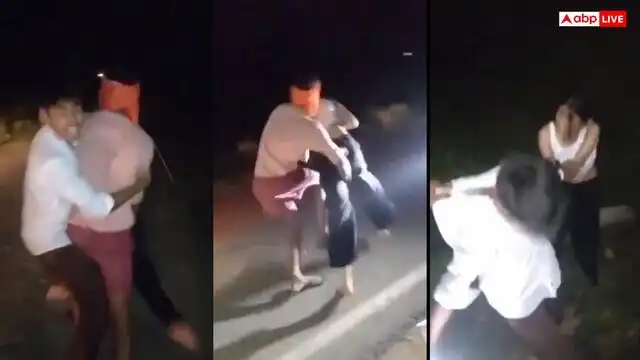
জানুন সোশ্যাল মিডিয়ায় আলোচিত Akola (Akloli) viral video-র পেছনের আসল ৩টি সত্য ঘটনা। ট্রেনের ভেতরের লিপস্টিক কাণ্ড নাকি ড্রেনের পানির রহস্য? বিস্তারিত পড়ুন।
বর্তমান সময়ে সোশ্যাল মিডিয়ায় কোনো ঘটনা ভাইরাল হতে সময় লাগে না। সম্প্রতি ইন্টারনেট জুড়ে অনেকেই "Akloli viral video" বা "Akola viral video" লিখে সার্চ করছেন। বাস্তবে "Akloli" নামে কোনো বড় স্ক্যান্ডাল না থাকলেও, ভারতের মহারাষ্ট্রের আকোলা (Akola) জেলাকে কেন্দ্র করে সাম্প্রতিক সময়ে ৩টি ভিন্ন ঘটনা সোশ্যাল মিডিয়ায় ব্যাপক আলোড়ন সৃষ্টি করেছে। পাঠকদের বিভ্রান্তি দূর করতে নিচে ঘটনাগুলোর সঠিক ও সত্য তথ্য দেওয়া হলো:
২০২৬ সালের জুলাই মাসের মাঝামাঝি সময়ে একটি চলন্ত ট্রেনে নারী যাত্রীকে হেনস্তা করার অভিযোগে এক যুবকের ভিডিও সামাজিক যোগাযোগমাধ্যমে ব্যাপক ভাইরাল হয়।
আসল ঘটনা: ঘটনাটি ঘটেছিল বদনেরা এবং আকোলার মধ্যবর্তী একটি এক্সপ্রেস ট্রেনে। এক যুবক ট্রেনে এক নারী যাত্রীকে উত্ত্যক্ত করার চেষ্টা করলে সহযাত্রীরা তাকে ধরে ফেলেন।
শাস্তির ধরণ: উত্তেজিত জনতা এবং নারী যাত্রীরা আইন নিজের হাতে না তুলে তাকে একটি অনন্য উপায়ে শাস্তি দেন। তারা ওই যুবকের হাতে নারীদের মতো চুড়ি পরিয়ে দেন এবং মুখে লিপস্টিক লাগিয়ে দিয়ে পুরো ট্রেনের বগিতে ঘোরান। এই "গান্ধীগিরি" বা সামাজিক অপদস্থকরণের ভিডিওটি সোশ্যাল মিডিয়ায় লাখ লাখ মানুষ শেয়ার করেন।
২০২৬ সালের এপ্রিল মাসে আকোলার ধিংরা চক (Dhingra Chowk) বাস স্ট্যান্ড এলাকার একটি ভিডিও ইন্টারনেট ব্যবহারকারীদের মধ্যে আতঙ্ক ছড়িয়েছিল।
আসল ঘটনা: ভিডিওটিতে দেখা যায়, ভোরবেলা এক ব্যক্তি রাস্তার ড্রেন থেকে প্লাস্টিকের বোতলে পানি ভরছেন। স্থানীয় সকালের নাস্তার দোকানদাররা এই পানি দিয়ে খাবার তৈরি বা থালাবাসন পরিষ্কার করছেন—এমন একটি দাবি সামাজিক যোগাযোগমাধ্যমে ছড়িয়ে পড়ে।
তদন্ত ও সত্যতা: এই ভিডিওটি ছড়িয়ে পড়ার পর ফুড সেফটি ও স্থানীয় পুলিশ প্রশাসন তদন্ত শুরু করে। ড্রেনের পানি সরাসরি রান্নায় ব্যবহারের কোনো অকাট্য বা অফিশিয়াল প্রমাণ না পাওয়া গেলেও, জনস্বাস্থ্যের নিরাপত্তার স্বার্থে প্রশাসন স্থানীয় স্টলগুলোর ওপর কড়া নজরদারি এবং স্বাস্থ্যবিধি মেনে চলার কঠোর নির্দেশ জারি করে।
আকোলা পুলিশের এক অ্যাসিস্ট্যান্ট সাব-ইন্সপেক্টর (Rajesh Jadhav)-এর একটি অভ্যন্তরীণ ভিডিও এবং অডিও ক্লিপ ভাইরাল হওয়ার পর পুলিশ মহলে তোলপাড় শুরু হয়।
আসল ঘটনা: লকআপে থাকা এক নারী আসামির কাছে ঘুষ এবং অনৈতিক সুবিধা দাবি করার অভিযোগ ওঠে ওই কর্মকর্তার বিরুদ্ধে। বিষয়টি সিনিয়র পুলিশ কর্মকর্তাদের নজরে আসলে এবং ঘটনার প্রাথমিক সত্যতা পাওয়ার পর অভিযুক্ত পুলিশ কর্মকর্তাকে সঙ্গে সঙ্গে বরখাস্ত (Suspended) করা হয় এবং তার বিরুদ্ধে ফৌজদারি মামলা দায়ের করে তাকে গ্রেপ্তার করা হয়।
"Akloli" বা "Akola" ভাইরাল ভিডিওটি কি কোনো ব্যক্তিগত স্ক্যান্ডাল? না। এটি কোনো ব্যক্তিগত স্ক্যান্ডাল বা আপত্তিকর লিক ভিডিও নয়। এটি মূলত চলন্ত ট্রেনে এক উত্ত্যক্তকারীকে লিপস্টিক ও চুড়ি পরিয়ে দেওয়ার এবং ড্রেনের পানির একটি সচেতনতামূলক ভাইরাল ঘটনা।

Curious about the marwadi couple viral video trend? Discover the real facts behind how these social media topics surface and learn crucial cyber safety tips.
In the age of rapid social media consumption, specific keywords and trends frequently capture the curiosity of netizens. Recently, the phrase "marwadi couple viral video" has seen a massive surge in search engine queries and social media discussions.
As unverified links and misleading rumors circulate across platforms like Facebook, X (Twitter), and TikTok, users are searching for authentic context. This article provides an objective analysis of how these cultural trends surface online, the risks associated with clicking random search links, and the critical importance of digital privacy.
When regional keywords like "Marwadi Couple" begin to trend online, the source material usually falls into one of two major categories
Celebration of Cultural Content: Marwadi and Rajasthani traditional content—such as couples performing folk dances, showcasing ethnic attire (like Lehenga-Chunri or Sherwanis), or sharing family vlogs—regularly hits the trending pages on Instagram Reels and TikTok Netizens appreciate these videos for their cultural richness, causing them to go viral organically.
Clickbait and Spammed Rumors: Conversely, bad actors online frequently hijack regional and cultural terms to create fake "viral video" or "MMS" rumors.
Severe Cyber Security Risks: Beware of Shady LinksWhen an entertainment or societal keyword goes viral, cybercriminals quickly capitalize on the high search volume by deploying malicious traps.
When an entertainment or societal keyword goes viral, cybercriminals quickly capitalize on the high search volume by deploying malicious traps.
Malware and Phishing Traps: Searching for direct download links or unverified video clips often leads users to spam websites. Clicking these links can trigger hidden downloads of malware, spyware, or ransomware that can compromise your smartphone or computer.
Compliance with Digital Policies: In strict accordance with Google AdSense content guidelines and web safety protocols, this website does not host, share, or provide direct links to any explicit, leaked, or unverified video clips mentioned in this article.
Purpose of Information: This article is written solely for educational and awareness purposes to inform readers about trending online search behaviors and cyber safety practices.
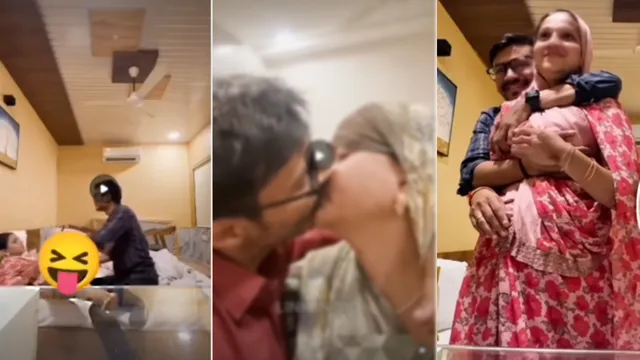
the age of digital media, viral trends spread rapidly across major platforms. Recently, a significant surge in searches for the "Marwadi couple viral video" and "Marvadi couple viral video scandal" has been observed across search engines and social media networks.
The vast majority of videos associated with this trend are entirely innocent, creative cultural content. On platforms like Instagram Reels and TikTok, popular creators and married couples from Rajasthan frequently share videos showcasing their rich cultural heritage.
Traditional Rajasthani attire such as colorful Lehenga-Cholis, Kurta-Pyjamas, and royal turbans (Pagris).
Artistic dance performances choreographed to traditional Marwadi folk songs.
Scenic backdrops highlighting the historic architecture, deserts, and lifestyle of Rajasthan.
Exploitation by Online Scammers The massive search volume generated by these authentic cultural creators is frequently targeted by cybercriminals and clickbait networks. To redirect organic web traffic to shady domains, malicious individuals weaponize misleading tags such as "Marwadi couple leaked video" or "Marvadi couple scandal."They often use eye-catching, manipulated thumbnails or fabricated headlines on public forums and comment sections. In reality, there is no verified private or illicit footage tied to this generic cultural search term. It is purely a psychological trick designed to exploit user curiosity.
Cyber Security Warning: The Risk of Clickbait Links Cybersecurity researchers strongly advise internet users against clicking any links promising the "uncensored" or "full" version of this alleged video. These external hyperlinks are dangerous phishing traps and honeypot scams that pose severe digital threats.
Account Hijacking: Clicking these links can expose your browser to session hijacking, leading to the unauthorized loss of your Facebook, Instagram, or email accounts.
The "Marwadi Couple" viral phenomenon serves as an important reminder to remain vigilant online. Not everything that trends on social media is authentic or safe. To protect your digital identity, practice safe browsing habits: do not click on unverified third-party links, avoid spreading sensationalized rumors, and report malicious links on public feeds.
Is the Marwadi couple viral video authentic? The underlying trend consists of authentic, creative lifestyle and dance videos uploaded by Rajasthani cultural creators. The claims regarding an explicit scandal or leak are entirely fabricated by online scammers.