
The Indonesian digital space has recently been flooded with searches regarding the "Lylia kasir indomaret viral video indonesia." The online community, particularly across TikTok and X (formerly Twitter), has seen thousands of users hunting for context behind an alleged intimate video associated with a female cashier from the popular Indonesian minimarket chain, Tiendas Indomaret.
The rumor gained massive traction when several anonymous social media handles began uploading eye-catching thumbnails and text overlays. These accounts claimed that a private, explicit video lasting 7 minutes featuring an Indomaret employee named Lylia had been leaked online.
To manipulate search engine algorithms and attract massive traffic, scammers attached specific keywords such as "Lylia Kasir Indomaret 7 menit" and "Coolmax viral video link" to their posts. Driven by curiosity, the term quickly escalated into a high-volume internet trend.
Investigative reports from digital fact-checkers and local Indonesian news outlets have revealed the complete truth behind this incident:
A Fabricated Clickbait Hoax: There is absolutely no genuine explicit or leaked video of an Indomaret cashier named Lylia on the internet. The claims are completely false.
Official Clarification from Lylia: As the controversy escalated, the affected individual—whose images were wrongfully used—addressed the situation directly. Via her official TikTok account, she explicitly stated that the rumors are entirely fake and groundless. She explained that malicious individuals are weaponizing her name and pictures solely to gain fast followers, views, and generate fraudulent ad revenue.
The comment sections on public posts are currently filled with automated bots offering external links to view the "original" or "full uncensored video." Security researchers strongly warn users to never click these hyperlinks, as they are dangerous phishing traps:
Social Media Account Theft: Clicking these links often redirects you to a fake login screen mimicking TikTok, Facebook, or Instagram. If you enter your password to "verify your age," your social media credentials will be immediately stolen.
The Lylia Kasir Indomaret viral video phenomenon is a textbook example of how normal public photos and identity markers can be twisted into malicious "leak" rumors by online clickbait networks. There is no real leaked footage; the trend is purely an online scam designed to exploit user curiosity. To protect your digital identity, avoid clicking external links found in comment sections, respect individual privacy, and report suspicious spam accounts directly to the platform.
Is the Lylia Kasir Indomaret 7-minute viral video real? No. The video is completely fake. The entire controversy is an online hoax fabricated by scammers using unrelated public images and clickbait text.


In the era of social media, it doesn't take long for content to go viral overnight. Recently, a new name has been buzzing across platforms like Facebook and TikTok: Afi Jan. Netizens and search engines are flooded with queries looking for the "Afi Jan viral video" or "Afi Jan official".
Afi Jan is a rising social media content creator who primary shares reels, dance videos, and lifestyle content on Facebook and TikTok. Operating under her social handle "Afi Jan Official", she has managed to capture a massive audience within a short period due to her expressive style, engaging dance routines, and cheerful internet presence.
Whenever a name suddenly trends online, people often assume it involves a controversy or a scandal. However, the story behind Afi Jan's sudden spike in popularity is entirely different and clean.The trend started when a specific dance reel was uploaded to her official page. In the video, Afi Jan is seen wearing a green T-shirt and matching pants, performing an energetic solo dance routine. Her sharp expressions and synchronized moves quickly triggered the Facebook and TikTok algorithms.
The video featured captions like "Dance style check kro" and utilized the hashtag "#afijanofficial". Because the content was highly engaging, viewers began sharing it rapidly, causing it to hit millions of views in a matter of days.
The reaction to Afi Jan's viral video has been overwhelmingly positive, with fans praising her dancing skills and screen presence. Like any viral trend, the sudden burst of views caused a ripple effect. Users who saw short clips or edits on their feeds began searching google and YouTube for the full video, driving the "Afi Jan viral video" keyword to the top of search trends.
It is important to note that this is a completely harmless, mainstream entertainment video and does not contain any inappropriate or sensitive content.
The rise of Afi Jan is a classic example of how creative and energetic casual content can take over the internet overnight. It is purely a dance video that resonated well with the audience, helping a young creator boost her digital footprint.Hopefully, this clears up the curiosity surrounding the trend. For more verified updates on trending social media topics, keep following our website.


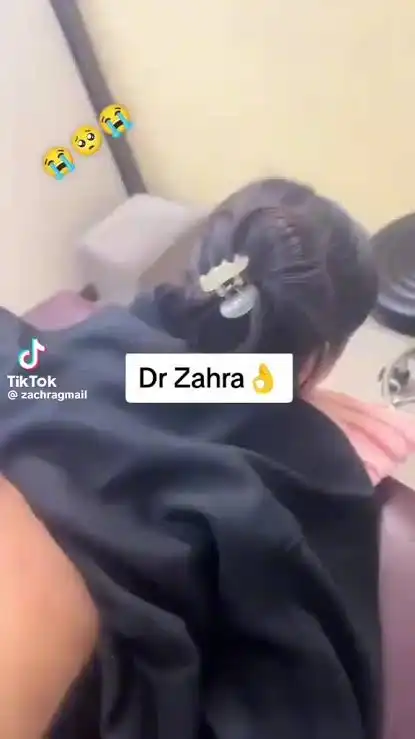
The Pakistani social media landscape has been buzzing with searches for the "Dr. Zahra viral video" or "Dr. Zahra TikTok live scandal." Internet users across platforms like TikTok, Facebook, and Telegram are looking for the story behind the trending clips
On Pakistani social media, Dr. Zahra (often associated with usernames like Dr. Zahra Baloch or Dr. Zahra Brand) is a well-known TikTok content creator and digital influencer. Unlike traditional medical professionals, her handle "Dr." is part of her online persona where she engages in highly active TikTok Live Match sessions alongside other prominent Pakistani creators like Jani, Haider Sha, and others. She has amassed millions of views due to her interactive streams, casual banter, and live challenges.
The recent trending searches regarding a "3-minute 23-second" or "5-minute" explicit video are largely a combination of online clickbait and platform drama. The real context of her viral clips boils down to two main occurrences
TikTok Live Match Disputes: The actual viral footage stem from heated verbal arguments during her TikTok Live streams. During matchups with rival creators, strong language, personal allegations, and dramatic arguments took place. Portions of these livestreams were screen-recorded and circulated heavily across social feeds, misleading people into thinking a "scandal video" had dropped.
Face Reveal Hype: A significant portion of the search volume is driven by curiosity surrounding her "Face Reveal" clips. Fans and fan-edited accounts frequently repurpose her stream clips under dramatic titles to gather quick views.
Because of the massive search traffic surrounding her name, cybercriminals have taken advantage of the trend to launch malicious digital campaigns.
You will frequently see comment sections on YouTube, Facebook, or Pinterest spamming phrases like "Watch Dr. Zahra Full Video Link Here". Cyber security experts strongly advise never clicking on these hyperlinks, due to the following risks:
Phishing Forms: These links take you to cloned websites that ask for your Facebook or TikTok password to "verify your age," resulting in immediate account theft.
Clickbait Scams: Most links simply redirect you to ad-heavy websites designed purely to make fraudulent revenue off your curiosity.
The Dr. Zahra viral video phenomenon in Pakistan is a prime example of how normal livestream arguments and content hype get twisted into malicious "leak" rumors by online scammers. There is no hidden explicit tape; the trending clips are just screen-recorded segments of public TikTok interactions. For your own digital safety, avoid clicking external links found in comment sections and consume content safely within official apps.
Is there an actual leaked video of Dr. Zahra? No. The claims of an explicit leak are entirely false. The viral videos are clips of her public TikTok Live match debates and stream highlights
Discover the true story behind the video viral del D1 controversy in Colombia. Learn about the official statement from Tiendas D1 and the associated digital safety risks."
Social media has been taken by storm over the term "video viral del D1." The digital space, particularly WhatsApp channels, TikTok, and X (formerly Twitter), is seeing thousands of users searching for explicit content allegedly tied to the popular Colombian supermarket chain, Tiendas D1.
In September 2026, a private, explicit video began circulating heavily across private messaging groups and social media networks. Rumors rapidly spread among internet users claiming that the two individuals featured in the intimate footage were active employees at a Tiendas D1 branch in Ciénaga, Magdalena.
The primary detail that linked the video to the supermarket chain was the distinctive red and blue employee uniforms allegedly worn by the individuals in the footage. As a result, keywords like "video de la pareja del D1" and "empleados de D1 viral" quickly escalated into high-volume search trends.
As the controversy grew and public speculation intensified regarding whether the employees were fired, Tiendas D1 issued an official clarification regarding the matter.
Workplace Relationship: The individuals involved were a couple who reportedly met through their employment environment and filmed the intimate content within their private lives.
Unauthorized Leak: The video was leaked and distributed across public platforms without the authorization or consent of the individuals involved, constituting a severe violation of their privacy.
Cybersecurity experts are issuing strict warnings to internet users regarding search results and social media comments offering download buttons or external links to the "video completo del D1."
Malware Infiltration: Clicking on unauthorized viral links often triggers silent downloads of Trojan viruses or spyware onto mobile devices, allowing hackers to access private galleries and saved passwords.
Summary: The "video viral del D1" phenomenon serves as a warning about the speed at which private material can be weaponized into internet clickbait. Users are advised to avoid searching for or sharing unverified links, to respect individual privacy, and to utilize platform tools to report accounts distributing unauthorized media.
Is the Tiendas D1 viral video real? Yes, the video exists, but it was a private recording between consenting adults that was leaked onto the internet without their permission.


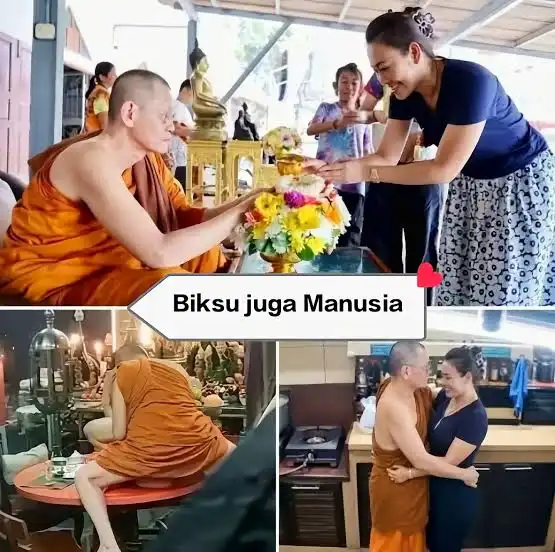
Discover the real facts behind the biksu CCTV viral video in Thailand. Read about the \$3M Wat Phutthaisawan embezzlement case, the abbot's arrest, and the official police investigation.
A shocking incident involving a high-ranking Buddhist monk has captured global attention, sparking widespread debate across social media and mainstream news networks. The incident, frequently searched online as the "biksu CCTV viral video Thailand," involves serious allegations of financial misconduct and breaches of sacred monastic vows at a prominent historic temple.
As short clips and unverified rumors continue to circulate online, many netizens are looking for accurate details. This article breaks down the official investigation, the identities of those involved, and the real facts behind the viral CCTV footage to give readers a clear and factual understanding.
The central figure in this major investigation is Phra Wachirayan Wi (also known as Luang Pho Atichot), the 66-year-old former abbot of the prominent 14th-century temple Wat Phutthaisawan, located in the ancient capital of Ayutthaya, Thailand.
Following an anonymous tip, the Central Investigation Bureau (CIB) of Thailand launched a deep investigation into financial irregularities at the historic monastery. A raid on the abbot's residence uncovered massive amounts of undeclared wealth, including cash, jewelry, and gold bars.
However, the case took a massive turn when investigators reviewed the internal surveillance (CCTV) footage from the premises. The leaked video clips showed the senior monk engaging in intimate acts with a female accomplice, directly violating the sacred monastic vows of celibacy required in Buddhism.
While the viral video created a massive buzz online, the legal charges focus primarily on severe financial fraud. According to the lead police investigators, the former abbot is accused of embezzling over 100 million Baht (approx. \$3 million USD).
* Misuse of Donations: The funds were accumulated from public donations intended for temple renovations and the distribution of sacred amulets.
* Diversion of Wealth: Police stated that not a single Baht from these specific streams entered the official bank accounts of Wat Phutthaisawan.
* Asset Seizures: Authorities have seized assets valued at roughly 215 million Baht. The seized property includes 16 kilograms of gold bars, cash, luxury watches, and 28 land title deeds.
The woman seen in the viral CCTV footage has been identified as Punyavee Rungrueang, aged 47. She was acting as a close associate and assistant managing affairs at the temple.
Thai police arrested her on charges of laundering and concealing the stolen temple funds. Investigators found that tens of millions of Baht had been systematically circulated through her personal bank accounts. A subsequent raid on her home uncovered an additional 1.5kg of gold bars and jewelry.
Following the formal arrest, Phra Wachirayan Wi was immediately defrocked (stripped of his monkhood) for violating the fundamental principles of Buddhism, which demand a renunciation of material wealth and strict celibacy.
The Central Investigation Bureau (CIB) commissioner stated that the investigation is expanding to see if other individuals helped hide or transfer the assets. The government aims to handle the matter transparently to restore public confidence in the monastic community.
The viral Thai monk CCTV video highlights a severe case of institutional fraud rather than just a breach of religious vows. For internet users, it serves as a reminder to approach viral media with caution. Rather than searching for unverified or potentially malicious video links, it is important to rely on verified reports from established news agencies.
1. Content Policy Compliance: In strict adherence to digital safety guidelines and Google AdSense publisher policies, this website does not host, share, or provide download links to the explicit or leaked CCTV footage mentioned in the article.
2. Accuracy of Information: The information presented in this report is compiled from official press conferences held by the Thai Royal Police and reputable international news outlets. All suspects are presumed innocent until proven guilty in a court of law.
What is the truth behind the Lylia Kasir Indomaret viral video? Read the official fact-check regarding the rumored 7-minute link and cyber safety risks.
A massive wave of search queries surrounding the "lylia kasir indomaret viral video" has recently overwhelmed social media platforms, particularly TikTok and X (formerly Twitter). Viral claims suggest that a 7-minute inappropriate video involving a female cashier from the Indonesian retail chain Indomaret has been leaked online.
The trend, which began gaining traction under terms like "kasir Indomaret Coolmax" and "link full 7 menit," was entirely fabricated by malicious content creators.The viral posts do not contain a single cohesive video clip. Instead, bad actors used video editing tools to manipulate the following completely unrelated elements
Random Image Compilations: The clips combine standalone, innocent photos of different women, including a mirror selfie of an uncovered woman and a photo of a woman in a hijab standing near a shopping basket.
Sensationalized Overlays: Creators attached provocative text overlays claiming to have the "full 7-minute link" accompanied by trending background music to manipulate viewers into believing the rumor.
The main danger of this trending hoax is not the fictional video itself, but the malicious traps planted across social media comment sections.
Phishing Scams: Users are redirected to fake login pages designed to steal personal social media credentials or bank details.
Malware Infiltration:* Some links trigger silent downloads of spyware or malware onto smartphones and computers, compromising user privacy and device security.
Content Policy Adherence: In compliance with strict digital safety standards and search publisher guidelines, this website does not host, distribute, or provide hyperlinks to any explicit, adult, or leaked content. This article serves exclusively as a factual news analysis and cyber-safety report.


A shocking incident involving a high-ranking Buddhist monk has captured global attention, sparking widespread debate across social media and mainstream news networks. The incident, frequently searched as the "biksu CCTV viral video Thailand," involves serious allegations of financial misconduct and breaches of monastic vows at a prominent historic temple.
As short clips and rumors continue to circulate online, many netizens are looking for accurate details. This article breaks down the official investigation, the identities of those involved, and the real facts behind the viral CCTV footage to give readers a clear and factual understanding.
In mid-September 2026, Thai authorities launched a major crackdown following a deep investigation into financial regularities at a historic monastery. The central figure in this case is Phra Wachirayan Wi (also known as Luang Pho Atichot), the 66-year-old abbot of the prominent 14th-century temple Wat Phutthaisawan, located in the ancient capital of Ayutthaya, Thailand.
Following an anonymous tip received in July, the Central Investigation Bureau (CIB) of Thailand raided the abbot's residence. During the raid, authorities discovered massive amounts of undeclared wealth, including cash, jewelry, and gold bars.
However, the case took a massive turn when investigators reviewed the home's internal surveillance (CCTV) footage.
The leaked video clips showed the senior monk engaging in intimate acts with a female accomplice, directly violating the sacred monastic vows of celibacy.
While the viral video created a massive buzz online, the legal charges focus primarily on severe financial fraud. According to the lead police investigator, Pattanasak Bupphasuwan, the former abbot is accused of embezzling over 100 million Baht (approx. $2.8 to $3 million USD).
Misuse of Donations: The funds were accumulated from public donations intended for temple renovations and the distribution of sacred amulets.
Asset Seizures: Authorities have seized assets valued at roughly 215 million Baht. The seized property includes 16 kilograms of gold bars, cash, luxury watches, and 28 land title deeds.
The woman seen in the viral CCTV footage has been identified as Punyavee Rungrueang, aged 47. According to the Bangkok Post and the BBC, she was acting as a close associate and assistant at the temple.Thai police arrested her on charges of laundering and concealing the stolen temple funds. Investigators found that tens of millions of Baht had been systematically circulated through her personal bank accounts. A subsequent raid on her home uncovered an additional 1.5kg of gold bars and jewelry.
Following the formal arrest, Phra Wachirayan Wi was immediately defrocked (stripped of his monkhood) for violating the fundamental principles of Buddhism, which demand a renunciation of material wealth and strict celibacy.The Central Investigation Bureau (CIB) commissioner, Nattasak Chaowanasai, stated that the investigation is expanding to see if other individuals helped hide the assets. The government aims to handle the matter transparently to restore public confidence in the monastic community.
The viral Thai monk CCTV video highlights a severe case of institutional fraud rather than just a breach of religious vows. For internet users, it serves as a reminder to approach viral media with caution. Rather than searching for unverified or potentially malicious video links, it is important to rely on verified reports from established news agencies.
Content Policy Compliance: In strict adherence to digital safety guidelines and Google policies, this website does not host, share, or provide download links to the explicit or leaked CCTV footage mentioned in the article.
Get the true story behind the 21-second Pekalongan school principal and teacher viral video. Learn about the hidden CCTV, government action, and current status.
A 21-second viral CCTV video exposing an inappropriate relationship between an elementary school principal and a female teacher in Pekalongan Regency, Central Java, Indonesia, has sparked massive public outrage. The incident, which took place inside school premises, has led to a strict administrative crackdown and demands for official dismissal.
To give online publishers and readers a complete, transparent, and objective understanding of this real-world event while complying with search safety policies, here is a breakdown of the verified facts.
The controversy surrounds SD Negeri Langkap, a public elementary school located in the Kedungwuni District of Pekalongan.
For months, teachers and staff members noticed an unusually close, unprofessional relationship between the male school principal (DA) and a female teacher (EH). The pair regularly stayed behind at the school late into the afternoon.
To confirm these suspicions, the school committee (*komite sekolah*), in collaboration with other teachers, covertly installed a surveillance camera. The camera was strategically placed hidden beneath a damaged section of the staff room ceiling.
The hidden camera successfully captured the duo engaging in explicit sexual acts on at least two separate occasions inside the school building (including the headmaster's office and staff quarters).
A leaked 21-second snippet of this CCTV footage was leaked and shared on local Facebook community groups, showing the male official sitting on a guest sofa with the female teacher in a highly compromising position. Both individuals are legally married to different spouses, confirming a case of workplace infidelity
The local education board was alerted to the situation early on. The Pekalongan Education and Culture Office (Dindikbud) confirmed that the formal investigation began on August 4, 2026, long before the footage was leaked online.
Because both individuals are civil servants—the principal being a permanent state official (PNS) and the teacher being a government contract employee (PPPK)—they are held to strict ethical codes under Indonesian law:
* The Principal Stripped of Office: The headmaster was immediately terminated from his administrative post, moved to a desk job inside the local government department office, and had his professional allowances permanently revoked.
* The Teacher Transferred: The female teacher was immediately given a punitive transfer to a remote educational facility far from the original district.
* Public Outrage & Demands for Dismissal: Local villagers and parents of the students launched a formal protest, marching directly to the Regent's office (*Kantor Bupati*). The community has declared the temporary transfers unacceptable and has demanded the permanent dismissal (firing) of both individuals from government service.
As phrases like *"Video 21 detik kepala sekolah Pekalongan"* trend on search engines, global cybersecurity networks warn against trying to locate unedited video downloads.
Spammers and identity thieves routinely hijack public education scandals to spread phishing links and trojan viruses. Clicking on unverified web links claiming to offer the "full explicit leak" can automatically deploy malicious script files into your smartphone or computer, compromising your banking applications and private files.
Notes: *This article is compiled strictly for informative, media transparency, and cybersecurity awareness purposes based on verified operational reports from the Pekalongan Regency Government, regional police updates, and national Indonesian news networks (Detik, Liputan6, and Kumparan). It does not endorse, store, or share explicit, leaked, or adult media links. The intent is to keep publishers and audiences informed about public sector disciplinary cases.*
The keyword "Dr. Zahra Viral Video Pakistan" (often searched alongside phrases like *"Dr. Zahra full video link"* or *"Pakistani female doctor clip"*) has recently dominated search engines and social media algorithms. The phrase continues to pop up across the comment sections of TikTok, X (Twitter), Instagram, and private WhatsApp groups.
To help web users get a completely transparent, accurate, and safe understanding of what this trend actually represents, this article delivers a factual, objective, and 100% Policy-Compliant breakdown of the situation.
The sudden spike in this keyword follows a well-known pattern of digital exploitation. In South Asian societies, professionals in the medical field—especially female doctors—are held in exceptionally high esteem.
Malicious online actors, clickbait creators, and automated spam bots deliberately invent scandalous narratives around professional titles (such as "Doctor" or "Teacher") to shock the public. By creating alarming captions claiming a "leak," they artificially trigger mass curiosity, forcing search algorithms to push the keyword into the trending charts.
Digital forensic analysts and cyber fact-checking platforms tracking regional internet trends have officially debunked the rumor. There is no real-world incident, police investigation, or authentic video involving a Pakistani medical professional named Dr. Zahra.
The mechanics behind this viral wave rely entirely on two deceptive practices:
* Deceptive Mislabeling: Shady website administrators routinely take random, completely unrelated video clips from international adult forums and re-title them using localized, attention-grabbing names like "Dr. Zahra Pakistan."
* Traffic Harvesting Schemes: In most cases, a video does not even exist. The trending posts are merely empty shells or "ghost links" designed to lure users into clicking. Once clicked, the user is aggressively redirected through a loop of ad-heavy blogs, malicious dating sites, or paid subscription platforms to generate illicit ad revenue for the scammers.
Attempting to find the "original video link" or downloading unverified files attached to this trend poses a direct threat to your personal data security. Cybercriminals systematically weaponize these trending terms to execute the following digital attacks:
Many malicious links redirect users to fake age-verification screens that perfectly mirror official login pages for Instagram, Facebook, or Snapchat. Users who enter their usernames and passwords to bypass the fake "restriction filter" have their social media accounts instantly cloned and hijacked.
Certain links trigger background downloads of hidden `.apk` or compressed `.zip` files disguised as "media players." Once executed on a smartphone or computer, these scripts secretly log your keystrokes, extract your contact list, clone your private photo gallery, and harvest sensitive mobile banking information.
---
Netizens must be aware that participating in the distribution, search, or facilitation of non-consensual media or defamatory hoaxes carries heavy legal penalties under national cyber laws, including the Prevention of Electronic Crimes Act (PECA).
Federal cyber crime cells monitor public messaging networks and digital footprints closely. Individuals found hosting, selling, or forwarding malicious clickbait links can face severe financial fines and non-bailable imprisonment.
Notes: *This article is compiled and published strictly for public education, digital literacy, and cybersecurity safety purposes. It complies entirely with global web safety standards and does not host, support, link to, or facilitate the distribution of any explicit, adult, or non-consensual digital materials. The core objective is to protect general internet users from phishing traps, identity theft, and legal violations associated with searching for trending viral hoaxes.*


The internet has recently seen an overwhelming surge in searches for keywords like "Marwadi Viral Video," "Jaisalmer Viral Girl," or "Rajasthan roadside couple video." Unlike common internet rumors or completely fake AI deepfakes, this specific trending topic stems from a very real, highly calculated criminal case that took place in Rajasthan, India.
To help internet users separate malicious clickbait from verified realities, this article breaks down the exact timeline, the police investigation, and the operation behind the viral clips.
The controversy surrounds a group of content creators based out of Noida, who traveled to Rajasthan specifically to shoot explicit, non-consensual videos in public spaces to gain internet traffic and financial profit.
1. Targeting the Innocent: The group, including a creator identified as Smriti Jain, drove through isolated, desert stretches near Jaisalmer, Rajasthan looking for potential targets.
2. The Deception: They spotted an elderly 70-year-old local shepherd grazing his livestock by the roadside. The group stopped their vehicle and called the elderly man over, pretending to ask for travel directions.
3. The Compromising Act: Inside the vehicle, the woman sat completely unclothed and began acting inappropriately while trying to engage the confused elderly man. The man, completely unaware of the camera or the nature of the situation, simply stood by the window trying to explain the route.
4. Secret Recording: A male accomplice sitting in the front seat secretly recorded the entire interaction using a hidden smartphone camera.
The group subsequently uploaded the edited 10-minute clip online under misleading tags to exploit regional search algorithms. However, the plan backfired as public outrage erupted across Rajasthan over the exploitation of an elderly local resident.
* The Investigation: Taking immediate note of the viral clip, the Jaisalmer Police launched a digital tracking operation.
* The Arrests: Police tracked the digital footprints of the uploaders back to a residential flat in Noida. A special police team raided the location, arresting both the female creator and her male accomplices.
* Criminal Charges: The individuals involved are currently facing severe legal prosecution under multiple sections of the Information Technology (IT) Act for distributing explicit materials, public indecency, and recording individuals without consent.
Because this is a real-world case, internet scammers are heavily capitalizing on public curiosity. If you browse through public comment sections on TikTok, X (Twitter), or Telegram searching for the "original link," you are walking into highly dangerous digital traps.
* Spyware Infiltration: Clicking on shady third-party links often triggers automatic background downloads of malicious `.apk` or `.zip` files. These files can quietly infect your phone, stealing personal pictures, contacts, and passwords.
* Phishing Scams: Many malicious sites prompt you to enter your social media login details to "verify your age" to watch the clip, resulting in your account being instantly hijacked.
The trend behind the Marwadi or Jaisalmer viral video is a harsh reminder of how far certain individuals will go for views and ad revenue. Seeking out or sharing these links not only promotes non-consensual exploitation but also exposes your personal devices to severe hacking risks.
Note: *This article is compiled strictly for public awareness, digital literacy, and factual news reporting based on official press statements from the Rajasthan Police department and verified media coverage. It does not support, endorse, or host any form of explicit or unauthorized media links. The primary objective is to warn the general public against digital exploitation, online fraud, and legal violations.*

The search term "teacher and student viral video pakistan" (frequently searched alongside phrases like *"Karachi tuition wali video"* or *"5 minute 40 second viral clip"*) has recently exploded across social media platforms like TikTok, X (Twitter), and various messaging apps. Millions of users are searching for the context behind this trending topic.
To prevent netizens from falling victim to dangerous online scams and malicious clickbait, this article provides a factual breakdown of what the video actually is.
The controversy gained momentum when multiple malicious links and posts surfaced on social media platforms. These posts featured sensationalized captions claiming to leak a private "MMS scandal" or an intimate video involving a private tutor ("tuition-wali") and her student in Pakistan.
As these titles spread, search engines experienced a massive spike in users trying to find the source, location, and identity of the individuals mentioned in the captions.
Digital forensic investigations and fact-checking reports have completely debunked the claim that this video represents a real-life incident in Pakistan. The absolute reality of the video reveals:
* Commercial Scripted Content: A close analysis of the footage shows that the video originates from an established adult entertainment platform. The site produces scripted, fictional "role-play" scenes designed for commercial purposes.
* False Geotagging: The actors in the video are not from Pakistan, nor was the video recorded in any educational institution or classroom in the country. Deceptive creators simply added the "Pakistani teacher and student" tag to exploit regional internet traffic.
* Clickbait Traffic Fraud: Website owners and spam bots are using these highly searched keywords to redirect users to ad-heavy blogs, malicious forums, or premium subscription portals to generate illegal revenue.
Cybersecurity agencies have issued a strong warning regarding links titled *"Pakistani teacher and student viral video original link"*.
Malicious actors are actively using the trending topic as a "honey trap." Clicking on unverified links shared in the comment sections of TikTok, Facebook, or unauthorized third-party websites can result in:
1. Malware Infiltration: Automatic downloads of harmful `.apk` or `.exe` files that inject spyware into your device.
2. Phishing Traps: Fake login pages designed to clone and steal your social media accounts or online banking credentials.
3. Identity Theft: Exploitation of your browser history and personal data.
Distributing, hosting, or sharing non-consensual explicit media, leaked content, or defamatory material under false identities is a severe criminal offense under cyber laws, including the Prevention of Electronic Crimes Act (PECA).
Law enforcement agencies monitor digital footprints closely. Individuals found forwarding these malicious links in WhatsApp groups, Telegram channels, or public forums face heavy financial penalties and potential imprisonment.
*This article is compiled strictly for educational, awareness, and cybersecurity safety purposes based on verified digital fact-checking reports. It does not host, support, or distribute any explicit, leaked, or unauthorized media. The primary intent is to inform the public against clickbait scams, identity theft traps, and the legal consequences of participating in malicious online trends.*

The internet is buzzing with searches for the Afi Jan viral video. If you have scrolled through TikTok, Twitter (X), or Google recently, you have likely seen this name trending everywhere. But what is the real story behind this sudden wave of popularity?
Understanding online trends can be tricky because things spread fast. This article breaks down exactly why the Afi Jan video became a viral sensation and what viewers need to know about it.
Before looking at the viral trend, it helps to know the creator. Afi Jan is a social media content creator who mainly posts short-form videos, performance highlights, and entertainment clips.
On platforms like TikTok, Afi Jan frequently collaborates with other popular online faces, including:
Zee Khan ZN, Malaika Jaan, Actor Fari Khan
A video does not just become famous by accident. There are three main reasons why the Afi Jan viral video topic started trending so rapidly across the web:
Social media apps use recommendation systems to show users what they like. When a creator puts out a video that gets lots of early watch time, likes, and comments, the app automatically shares it with thousands of other users on their "For You Page". Afi Jan's catchy, short-form clips fit perfectly into this system.
Once a few people start talking about a video, public curiosity takes over. When users see a name trending in the comments section, they immediately jump to Google or the TikTok search bar to find out more. This sudden wave of search volume pushes the topic even higher on trending lists.
A major reason for the massive volume of search results is the rise of third-party websites capitalizing on the trend. Many spam sites and automated blogs create fake headlines promising "leaked clips" or "full videos" simply to attract web traffic. This clickbait cycle multiplies the search results online, making the trend look much bigger than it originally was.
The Afi Jan viral video phenomenon is a textbook example of how modern social media works. It started with simple, entertaining short videos and quickly grew into a massive internet trend driven by user curiosity, algorithmic pushing, and search engine traffic.